How to Become a Substance Abuse Counselor
Millions of Americans experience professional, personal, or health problems because of substance use disorders.
In 2023, 30.5 million Americans said they had problems with alcohol or drugs. This information comes from a survey by the Substance Abuse and Mental Health Services Administration (SAMHSA). However, nearly 3 in 4 Americans with a substance use problem are in recovery.
Substance abuse counselors support struggling individuals as they navigate the recovery process. Drawing on their counseling education and experience, substance abuse counselors assess clients, develop treatment plans, and provide psychotherapy services.
What Does a Substance Abuse Counselor Do?
Substance abuse counselors support people throughout their recovery from substance use disorders. Some of these disorders vary from use of:
- Alcohol
- Opioids
- Stimulants
- Marijuana
- Sedatives
- Polysubstances (use of at least three substances)
Counselors assign substance use disorders to patients based on the main substance they abuse. They customize treatment plans based on clients’ needs. They help clients develop the skills they need to prevent relapses. And they work with their families to support their recovery.
Substance abuse counselors, also referred to as addiction counselors, work in various settings. Some of these settings include outpatient substance abuse programs, in-patient drug and alcohol rehabilitation centers, and private practice.
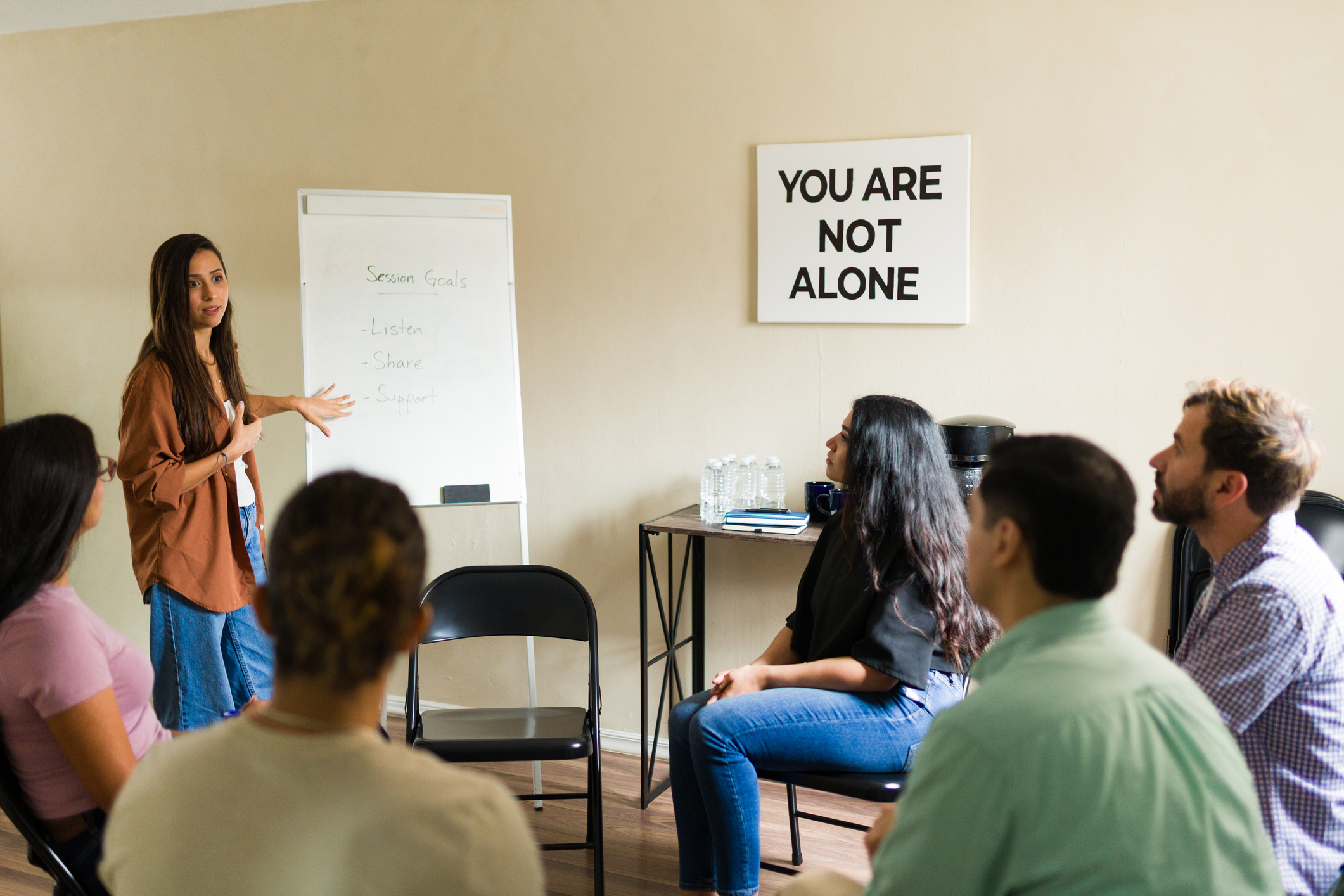
They lead individual and group sessions to help clients develop coping skills. Additionally, they document treatment and coordinate with social workers, mental health providers, and healthcare providers.
Steps to Become a Substance Abuse Counselor
Pursuing a career in substance abuse counseling takes several years as there are several steps. These counselors typically need a master’s degree, supervised experience, and a license to practice.
Step 1: Earn a Bachelor’s Degree
Substance abuse counselors need at least a bachelor’s degree to qualify for most jobs. Majoring in Psychology, Social Work, Counseling, or a related field offers the strongest preparation for becoming a substance abuse counselor.
The length of a Psychology degree program depends on several factors, including transfer credits and enrollment status. Bachelor’s degree programs typically take four years for full-time students to complete.
Step 2: Earn a Master’s Degree
Most substance abuse counselors need to have a master’s degree to practice. A graduate degree in Psychology builds the psychotherapy and counseling skills that substance abuse counselors need. Coursework often includes psychopathology, cognitive behavioral therapy, and psychotherapy.
Step 3: Gain Counseling Experience
Gaining professional experience is an important step. Working as a counselor or therapist in addiction helps you develop skills in working directly with clients, including individual and group therapy.
To prepare graduates for licensure and a better understanding of the workforce, many master’s programs incorporate supervised counseling experiences. Counselors may also need to complete post-master’s experience requirements to qualify for licensure. For example, California licensed professional clinical counselors need 3,000 supervised hours.
Step 4: Apply for a Substance Abuse Counseling License
State licensing boards issue counseling licenses to candidates who meet state requirements. In most states, part of the licensure requirements includes having a master’s degree, supervised clinical experience hours, and passing the licensing exam. Once licensure is obtained, counselors must meet continuing education requirements to maintain their credentials.
Some careers in substance abuse counseling do not require a license. For example, community health workers, consultants, and addiction program coordinators may not need a license. Always review your states requirements for your chosen field.
Step 5: Consider Professional Certification
Certified substance abuse counselors demonstrate their expertise to clients and employers. Professional associations, such as NAADAC, the Association for Addiction Professionals, grant certifications to counselors who meet eligibility requirements.
The certification process typically requires experience and passing scores on a certification exam. For example, NAADAC’s National Certified Addiction Counselor, Level I (NCAC I) credential requires at least 6,000 hours of supervised experience and passing scores on a substance abuse counseling exam.

Substance Abuse Counselor Salary and Job Outlook
Across the country, nearly 450,000 counselors specialize in substance abuse, behavioral disorders, or mental health.
Substance abuse counselors and other counselors earned a median wage of $59,190 in May 2024, according to the U.S. Bureau of Labor Statistics (BLS). That is slightly higher than the $57,480 median pay for all counselors, social workers, and social service specialists. Counselors who work in hospitals report above-median wages, while those who work in substance abuse facilities report lower wages.
These counselors are in high demand, with 19% projected job growth from 2023 to 2033. The increase in people seeking addiction treatment continues to drive demand, including specialists in opioid use disorder.
Earn a Master’s Degree in Psychology at Notre Dame de Namur University
The School of Psychology at Notre Dame de Namur University can help you prepare for careers in substance abuse or addiction counseling. Undergraduates can finish their bachelor’s degree with the Psychology degree completion program, and graduate students can prepare for licensed professional clinical counseling roles with a Master of Science in Clinical Psychology (MSCP).
With its emphasis on clinical training and applied psychology, the MSCP program develops the knowledge and skills required to work in clinical settings, community mental health, or private practice. NDNU also offers flexible online and in-person delivery options. Reach out to the School of Psychology by filling out the form below to learn more about how its programs can help you become a substance abuse counselor.
Sources:
Board of Behavioral Sciences, Licensed Professional Clinical Counselor
Indeed, How to Become an Addiction Counselor in 6 Steps (With Tips)
NAADAC, National Certified Addiction Counselor, Level I (NCAC I)
U.S. Bureau of Labor Statistics, Substance Abuse, Behavioral Disorder, and Mental Health Counselors