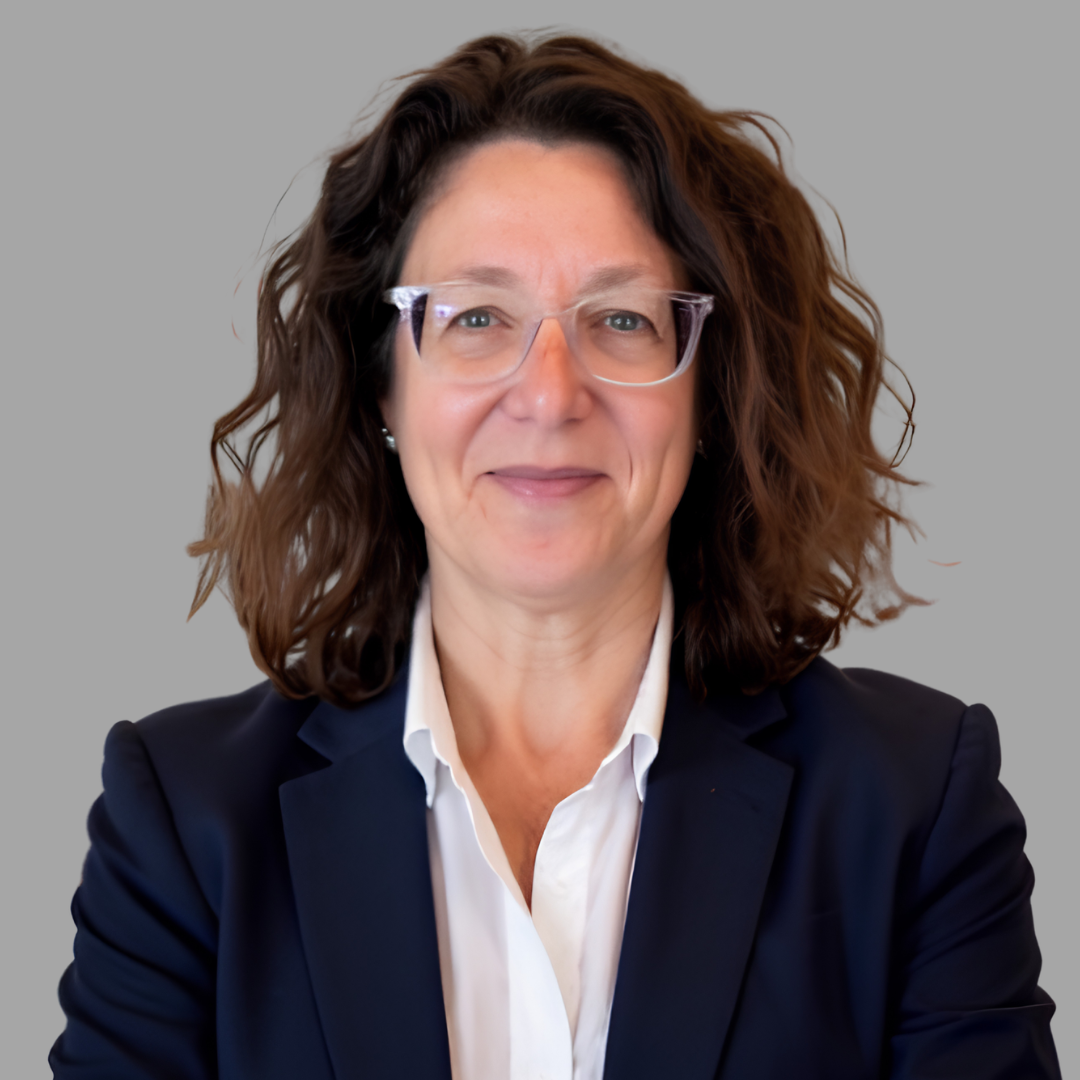
As Notre Dame de Namur University (NDNU) begins an exciting new chapter, we are delighted to welcome Dr. Leamor Kahanov as its new president. A nationally respected higher education leader with more than 20 years of executive academic experience, Dr. Kahanov joins NDNU at a pivotal moment in the university’s history — one characterized by renewal, innovation, and a bold vision for preparing students to thrive in the workforce of the future.
Throughout her career, Dr. Kahanov has been recognized for her commitment to student success and institutional transformation. She has helped lead strategic planning efforts at multiple universities, launched innovative academic programs, and implemented initiatives that significantly improved student retention and persistence.
Her leadership also reflects a deep dedication to community engagement and building meaningful partnerships. Dr. Kahanov has developed workforce-focused programs, including “Apprentice to Degree” pathways, and has cultivated collaborations with corporate, government, and nonprofit organizations that have generated millions of dollars in support for academic excellence and student achievement.
Dr. Kahanov previously served as provost of Alvernia University, Stockton University, and State University of New York (SUNY) at Oneonta and as dean of the College of Health Sciences and Education at Misericordia University.
She earned her Doctorate in Education in Curriculum and Instruction from the University of San Francisco, a Master of Science in Exercise and Sports Sciences from the University of Arizona, and a bachelor's degree in Exercise Science and Athletic Training from Indiana University. She has also completed executive leadership programs at Harvard University and the American Association of State Colleges and Universities.
To help our community get to know Dr. Kahanov better, we invited her to share more about her background, leadership philosophy, and vision for NDNU in the following Q&A.
Enjoy!
Please share some highlights about your personal and professional journey.
I’m a first-generation American, which colors why I am so wed to serving the underserved, and why the mission at NDNU speaks to me so much.
My parents came to the United States in the mid-1960s to pursue their education, and I was raised in Midwest where I attended high school and pursued my undergraduate degree at Indiana University.
My original plan was to spend my career as an athletic trainer. It never occurred to me that I would be a leader in higher education. But when a door opened last minute when I was at San Francisco State and I was asked to teach a sports medicine course, I quickly discovered that I enjoyed teaching and mentoring students more than being in a clinic. I decided to return to school for my doctorate, thinking that I would be a researcher and a faculty member my whole life. Then someone tapped me on the shoulder and said, “you might be a really good department chair.”
I have been fortunate that others recognized abilities and leadership potential in me before I recognized them in myself. The first time I made a conscious decision to be in Administration was for a provost role.
Looking back, I’ve been blessed to have mentors and colleagues who recognized strengths in me and encouraged me to grow into new opportunities, which I hope I pay forward.
What drew you to NDNU and to this role in particular? What aspects of your background and expertise do you believe will help move the university forward?
For me, it always comes back to mission. Throughout my education and career, I have participated at both Catholic and public institutions. I think it took me a while to realize that the mission – educating the whole person, serving our community, having a high moral compass, ethical leadership – is where I fit best and where I can serve best.
I believe my unique skills set and passion for the mission are a really good match to help serve NDNU students and community partners at this particular juncture.
During the interview process, what stood out most was the commitment of the NDNU community to the university and its mission. You don’t find that at every place. A foundation already exists that we don’t have to build. And we’re at a place in time where we need to be very intentional and well-grounded so that we can move forward.
One of the skills sets I bring to NDNU is building teams that have their own agency to move a vision forward, teams where high-functioning individuals who care for one another are innovative, flexible, and nimble in creating the path forward. I see that at NDNU.
Before entering higher education leadership, I worked as a head athletic trainer at multiple universities. I also traveled with the U.S. volleyball team, worked at the Olympic Games, and spent many years working the National Track and Field Championships. Those experiences taught me the need to understand where people’s lenses are coming from, to better develop and motivate teams, and stay focused on solutions. I believe that when we work collaboratively and have the attitude that we can make things better, we can overcome challenges and create meaningful progress.
As a former athlete, I learned that every successful team depends on people playing different, but equally important roles. Not everyone is the superstar performer; the rock stars are just as critically important. Every role matters. The same is true in higher education.
As you look ahead, where do you see the most immediate opportunities — and what challenges do you anticipate?
I’m going to preface this by saying that is what I see without being on campus for very long – so there’s still room for adjustments, for more information that colors my perspective on where we need to move forward. This is where I am at this particular moment in time, and decisions can change with more input.
No matter what we do, we need to be innovative, nimble, and flexible, and we need to work quickly. We have a small 2-year window to move some initiatives forward so that we’re meeting enrollment goals in order to be sustainable by Year Five. For example, one of the considerations that we’ll be looking at is what kind of financial structure is really going to work for the institution when it comes to making tuition more affordable. Do we look at different kinds of scholarships? Do we look at flexible student financial models?
We will also focus on strengthening relationships with alumni, donors, and community partners through the Advancement Office. Those connections are critical to the university’s future.
Academically, we will be assessing not only what programs we offer but also how we deliver them. The Bay Area presents unique opportunities, and we need to identify gaps in the educational landscape where NDNU can distinguish itself. Rather than trying to be like every other institution – the reality is that we are not going to be able to compete with Stanford or Santa Clara University – we should focus on what makes us uniquely positioned to serve our students and communities.
We will also continue evaluating opportunities to expand and strengthen degree-completion pathways for adult learners and working professionals.
How have you been preparing for this role since accepting the position in April?
These past several months have been focused on listening, learning, and building relationships. I’ve spent time meeting with trustees, Cabinet members, faculty, staff, community leaders, and other stakeholders to better understand the university’s strengths, opportunities, and aspirations.
President Beth Martin has been an extraordinary partner during this transition. She has been generous with her time and insights, helping me connect with members of the NDNU community and gain a deeper understanding of the university.
I have also spent considerable time reviewing institutional data, including enrollment trends, financial information, academic programs, and other key indicators. Those conversations and analyses have helped me develop a clearer picture of where NDNU is today and where we have opportunities to grow.
The transition process has been incredibly valuable, and I’m grateful for the openness and support I’ve received.
When asked for parting advice, retiring President Beth Martin said: “Lead with courage, humility, and optimism. You inherit a community that cares deeply about NDNU and its future. I have every confidence that the university's best days are still ahead.” What resonates most with you in her message, and how will it shape your approach as president?
All of it resonates with me.
The first part of her charge – “Lead with courage, humility, and optimism” is part of the mission and ethos of university and reflects where we are today. We are going to have to make some courageous and difficult decisions to move us forward, and we need to have humility which provides us the strength to make mistakes.
The second part – inheriting a community that cares deeply about the university and its future, as well as the promise of bright days ahead – speaks eloquently to why I was attracted to this opportunity and why it’s a good match. I am excited about what we can accomplish together.
On a more personal note, what do you enjoy outside of work? Any hobbies, pets, or family interests you’d like to share?
I have two adult children who live in San Francisco and a wonderfully supportive husband who, thankfully, does all the cooking and is looking forward to becoming part of the NDNU community.
I am an outdoors person, so hiking, kayaking, and biking are my go-to activities. I love engaging with my family; we like game nights. If I have a quiet moment to read or do a puzzle, that’s a happy place for me. I love to garden; I just wish I were better at it.