Profiles in Teaching Excellence
Elizabeth Wilcox invited the recent teaching award winners to discuss their teaching
philosophy and practice.
Below we share their thoughtful responses to our questions on teaching excellence,
to inform and inspire the campus community.
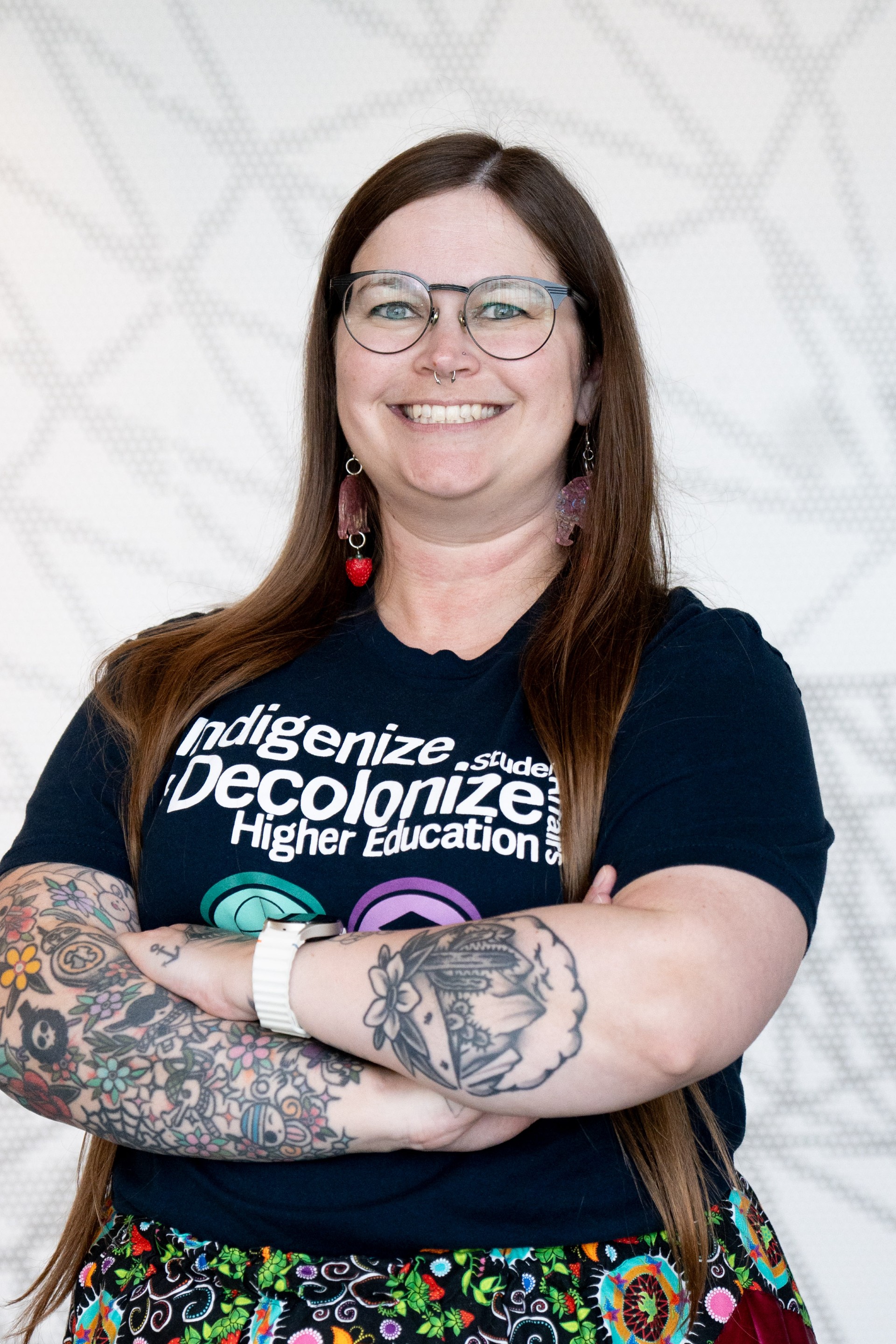
Dr. Shaina Philpot
Teaching Award Winner in School of Education, 2026
What does “student-centered teaching” mean in your classroom, and how do students
experience it?
Shaina: "It means that students are the ones leading the discussions. They're asking
questions, sharing their experiences, and learning from each other. My students experience
this every single class. We do breakout rooms where they work in small groups with
different classmates each time we break out. They are examining and analyzing classroom
scenarios/case studies in those breakouts, then coming back whole group and sharing
with the class."
Can you share a moment when you saw a student truly “click” with the material? What
made that moment possible?
Shaina: "One moment where I saw a student truly "click" with the material was when
a student was doing their diversity experience, and attended California Native American
Day at the Capitol, where I was tabling. We had been discussing Indigeneity in class,
and then they experienced this event in real life. After the event, the student reached
out to share how important it was in helping them realize their own Indigeneity and
how thankful they were to have had that experience as part of my class. I think having
my students attend a diversity experience as part of my course is game-changing for
them, because they are able to see the themes from our course in their experiences
outside of class and make those real-life connections."
How do you create a learning environment where all students feel seen, supported,
and able to succeed?
Shaina: "I do this by learning alongside them. I may have expertise in some things,
but I'm certainly no expert in all things. I love learning from my students just as
much as they learn from me! I start my very first class intentionally sharing about
myself and taking the time to learn about them, not just as a student, but as a fellow
human being. I learn the correct pronunciation of their names from day 1. I reach
out when I see they may be falling behind. I comment on every single assignment they
turn in, so they have constant feedback on their growth and learning. They all have
my cell phone so they can call or text if they need anything. I make myself available
for them."
What is one teaching strategy you use that consistently helps students engage more
deeply?
Shaina: "Jigsaw! I love jigsaws! Like I mentioned earlier, we do case studies. So
each small group is assigned a different case study that they then become the experts
on. We then come back whole group, and they then become the teachers and get to teach
their classmates about the case study and ask/answer questions from folks about the
themes present in those studies."
How do you incorporate student feedback into your teaching? Can you give an example
of a change you’ve made because of it?
"I spend my entire last class session asking for feedback from my classes. The good,
the bad, the ugly. I have received SUCH GREAT feedback! One example is my very first
class, where students wanted more examples of previous work, which I didn't have at
the time since it was my first class. However, they said for future classes I should
incorporate student examples because they find them helpful, and that's exactly what
I did. I update my examples of student work every semester so they can see what an
exemplar is. I also read all of my class evaluations, too!"
In what ways do you challenge students while still supporting their growth and confidence?
Shaina: "I'll give an example of this one. I have a class session on microaggressions
and how they can show up in the classroom. I challenge them to think about ways they
may have unintentionally said or done these microaggressions and how to take that
feedback and use it for growth, because once you know better, you can continue to
do better. I don't frame it as a way of shame. I frame it as a learning opportunity
for them to understand these subtle ways they may show up, and if they've done them
before, now they know and can intentionally address them should they see them in their
future classrooms. I challenge them to address their own bias, whether conscious or
unconscious, and use it as a continual source of growth and learning about themselves."
How do NDNU's Hallmarks shape the way you teach and interact with students?
Shaina: "These absolutely shape how I teach and interact with students! I honor the
dignity and sacredness of each student and their experiences. I try to learn about
their experiences, their backgrounds, their prior knowledge and incorporate that into
my classroom. I educate for and act on behalf of justice, peace, and care for all
creation. One of my courses is specifically about how to teach social justice in the
classroom in a way that shows care for all. I fully embrace the gift of diversity,
and intentionally teach about diversity in my classes. I strive to create a community
in my classroom, a place where my students feel safe and comfortable addressing difficult
topics."
What do you hope students carry with them long after they leave your course?
Shaina: "That I will always be there to support them! I hope they know they can reach
out to me even after my course, even while they're teaching years later, that I'm
their cheerleader! I also hope they carry an equity-focused lens in their future classrooms
and have the courage to challenge those systems of oppression in our educational system!"