Online Master of Arts in Special Educati...


Empower Every Learner. Earn Your Master’s Degree Online
Develop the skills to support diverse learners and help them thrive. Notre Dame de Namur University’s (NDNU) Master of Arts in Special Education with Special Education (SPED) Credential prepares you for teacher or administrator roles while offering the benefits of a transformative education backed by more than 100 years of experience.
Program at a Glance
- Requirements: 47 units (for credential and master’s degree)
- Program length: 18 months
- Learning format: Online
- Admission deadline: August 1 - Fall admission; December 1 - Spring admission; April 1 - Summer admission
Why Choose NDNU’s Special Education Program?
Flexible Virtual Learning
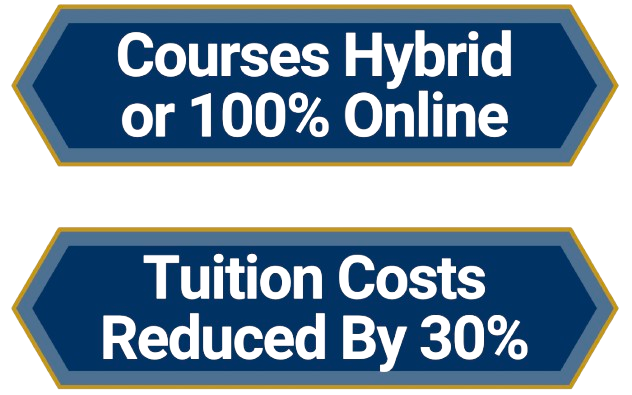
Complete coursework 100% online with strong academic and career support from faculty. NDNU’s Special Education program is designed to accommodate your busy schedule.
Specialized Credential Preparation
The program is open to those with or without a prior teaching credential and offers students the opportunity to choose from two concentrations: Mild/Moderate Support Needs or Extensive Support Needs (ESN), with the option to complete both.
Field-Oriented Training
NDNU ties coursework to real school settings, including student or intern teaching seminars and supervised field experiences that prepare you for success in special education roles.
Experienced Faculty
Learn from faculty who bring academic and practical expertise, as well as personalized attention and guidance, to a program where the successful placement of each graduate is a priority.
Small Class Sizes
At NDNU, you benefit from high-quality online education. In small classes, you connect with fellow students and develop close mentoring relationships with professors.
30% Tuition Discount
The tuition for the special education master’s degree program is $610 per unit, for a total program cost of $26,972 (44 units). You may also apply for scholarships and financial aid.
Program Structure & Curriculum
NDNU’s special education master’s degree and credential are designed to help educators deepen conceptual knowledge, theoretical understanding, and application skills in work with diverse learners. The program emphasizes the effective use of assessment tools and instructional methods for students at different developmental stages and from different cultural and linguistic backgrounds.
The NDNU program features small classes that promote interactive, hands-on learning and provide opportunities for personal instruction and guidance.
- Students complete the 44-unit credential and add the MA in Special Education by taking one 3-unit capstone course.
- General education teachers with a master’s degree can add the special education credential by completing 30 units.
Students in the master’s in special education program complete coursework that builds advanced knowledge in special education practice, assessment, technology, counseling, and research. The program’s core courses vary depending on the track chosen.
Education Specialist Credential - Mild/Moderate Support Needs
- Psychological and Developmental Foundations
- Sociological and Multicultural Foundations
- Foundations for Teaching English Learners
- Health Education
- Special Education Program Management
- Clinical Assessment
- Professional Development: SPED Teachers
- Technology – Special Education
- Counseling – Special Education
- Student/Intern Teaching Seminar (SPED 1st Semester)
- Student/Intern Teaching Seminar (SPED 2nd Semester)
- Elementary Reading/Language Arts: Primary Grades
- Elementary Reading/Language Arts: Upper Grades
- Curriculum: Elementary Math
- Curriculum: Social Studies
- Curriculum: Science
- CalTPA Support Cycle 1
- CalTPA Support Cycle 2
- Curriculum and Instruction Adaptations: Mild/Moderate
Education Specialist Credential - Extensive Support Needs
- Psychological and Developmental Foundations
- Sociological and Multicultural Foundations
- Foundations for Teaching English Learners
- Health Education
- Special Education Program Management
- Clinical Assessment
- Professional Development: SPED Teachers 1
- Technology – Special Education
- Counseling – Special Education
- Student/Intern Teaching Seminar (SPED 1st Semester)
- Student/Intern Teaching Seminar (SPED 2nd Semester)
- Elementary Reading/Language Arts: Primary Grades
- Elementary Reading/Language Arts: Upper Grades
- CalTPA Support Cycle 1
- CalTPA Support Cycle 2
- Curriculum & Instruction Adaptations: Extensive Support Needs
- Teaching Students w/ Motor, Sensory & Health Needs
- Core Curriculum Access for Students w/ Severe Disabilities
NDNU’s special education pathway is built around practical preparation for service in school settings. As part of your graduate education, you complete student or intern teaching seminars and curriculum coursework aligned to either concentration track.
Video Introduction - MA in Special Education
MA in Special Education
Featuring Sharon T. O’Neil, Ed.D., Program Director
Is a Special Education Credential Program Right for You?
Take the Special Education Credential Program Readiness Quiz
This fun, online quiz takes 3 minutes to complete, and you’ll get a personalized report. Identify your strengths and social style, plus some details about your readiness for this degree.
Get Your Special Education Credential Program Readiness Report Now!
Career Impact: Special Education Credential
Earning the Special Education Credential supports educators who want to strengthen their practice in special education classrooms and related school settings. Many alumni work as teachers and administrators in San Mateo County and throughout the San Francisco Peninsula.
Possible roles include:
- Special education teacher
- Resource specialist
- Special day class teacher
- Inclusion teacher
- Extensive support needs educator
- Student support or program specialist
- School-based instructional leader or administrator
Some positions may require credentialing, district-specific qualifications, or additional experience.
Admission Requirements
- Completed NDNU application
- Bachelor’s degree from an accredited institution
- Official transcripts from all colleges and universities attended
- Current resume or CV
- Two letters of recommendation
- Statement of Intent outlining interest in the program, relevant experience, and professional goals
- Interview with the program director
Prepare for Important Work in Special Education
Build the knowledge, field-based insight, and flexible graduate preparation needed to better serve students with diverse learning needs through a program grounded in personal support and a long tradition of educator preparation. Contact NDNU to explore your pathway to becoming a special education teacher.
Program FAQs
NDNU’s MA in Special Education with Special Education Credential is designed to develop professional practitioners with expertise in conceptual knowledge, theoretical knowledge, and application skills. The program emphasizes critical thinking, research-based teaching practice, effective use of instructional methods, and a wide range of assessment tools for learners with diverse needs.
NDNU’s Education Specialist Credential with a Master of Arts in Special Education prepares students to teach in special education settings in public and private schools, K-12 and up to age 22.
Mild/Moderate credential holders teach students in resource specialist programs, special day classes for learning disabilities, and some full inclusion students. Extensive support needs (ESN) credential holders will be able to teach students whose needs are more severe.
NDNU offers education specialist preparation in Mild/Moderate Support Needs and Extensive Support Needs. Students in the credential pathway may also pursue both authorizations by completing the required coursework and an additional semester of student or intern teaching.
The program prepares educators to work as teachers or administrators in special education settings in public and private schools.
State Authorization for Online Programs
The Department of Education requires that institutions offering online or distance learning programs outside of their home states must seek authorization to operate from regulatory bodies in those states. Each state has a different set of requirements when it comes to allowing out-of-state colleges and universities to offer online degree programs to its residents.